Little Dog Syndrome: Why Size Shouldn't Change Our Expectations
New Podcast Episode Coming Wednesday, June 24th
When people hear the term Little Dog Syndrome, they often picture a small dog barking, growling, lunging, or acting bossy. While the phrase is commonly used in the dog world, the reality is a bit more complicated than simply blaming a dog's size.
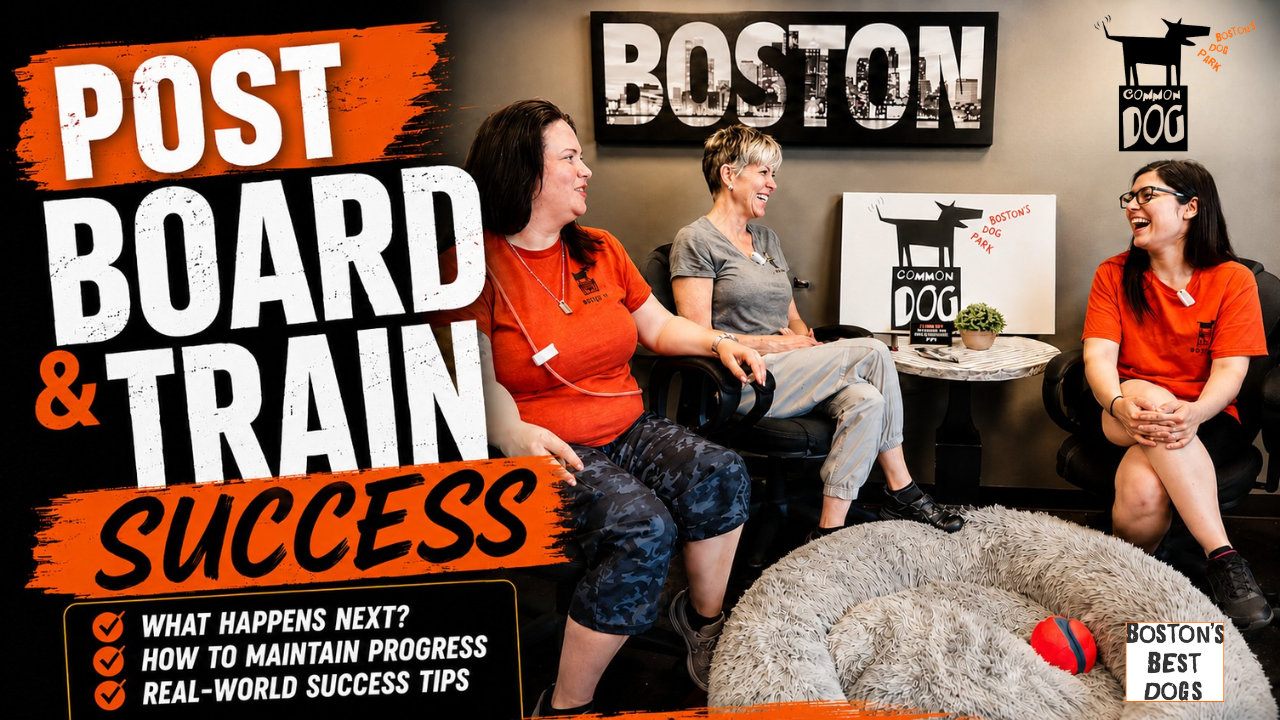
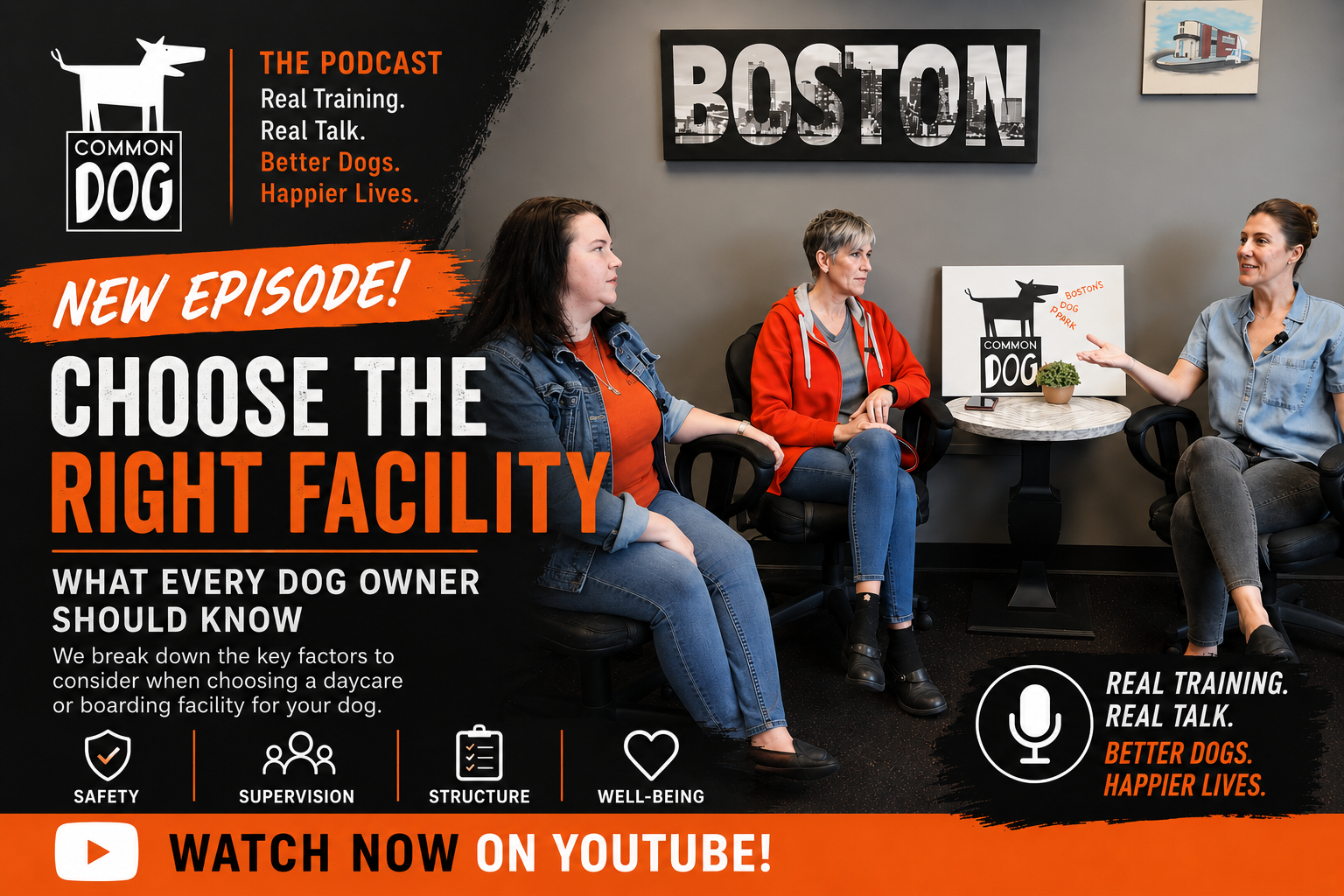
In our newest podcast episode, releasing Wednesday, June 24th, we take a deeper look at Little Dog Syndrome, why it develops, and what owners can do to help their small dogs become more confident, well adjusted companions.
As someone who owns a small dog, this topic is especially close to home.
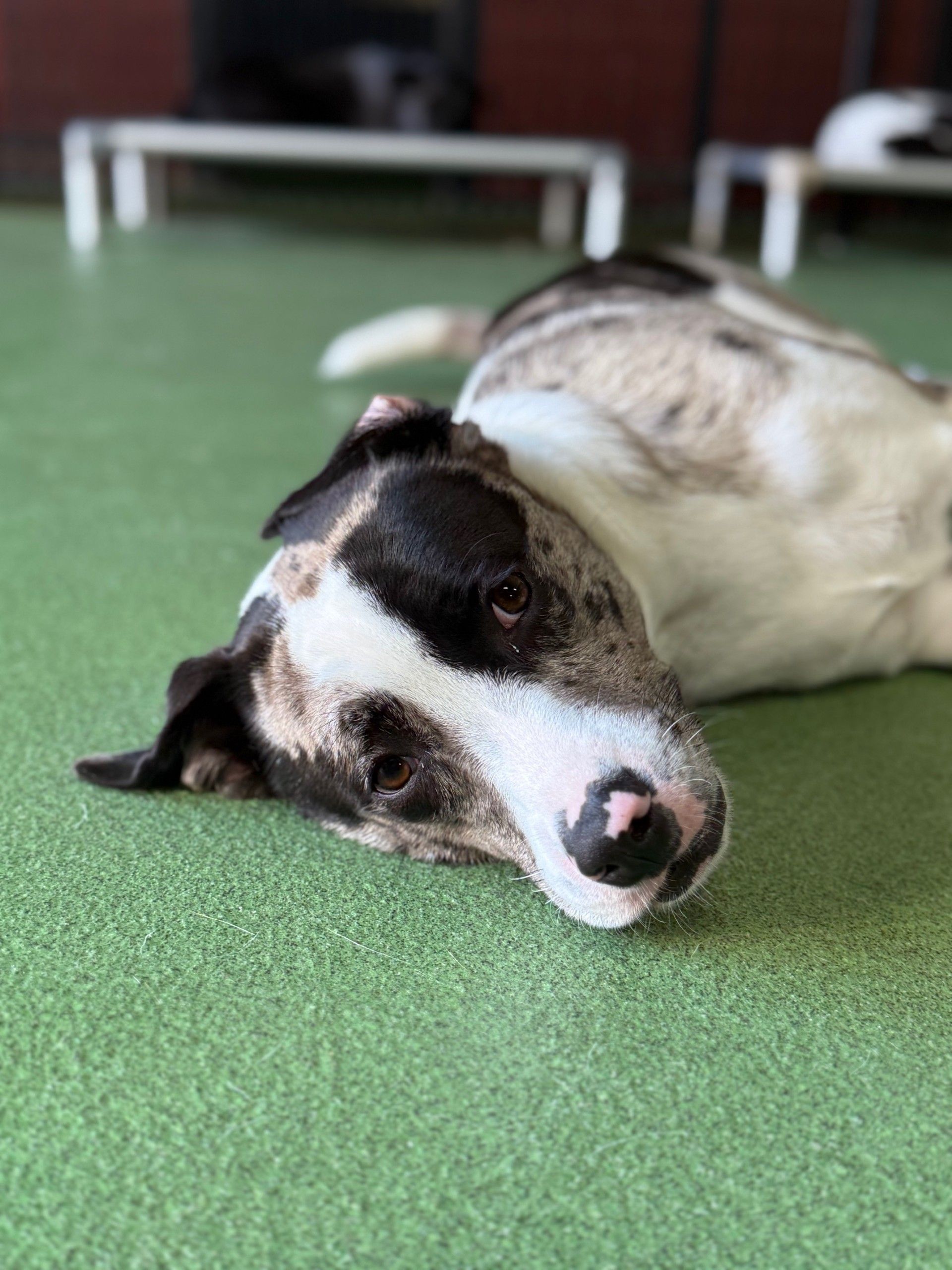
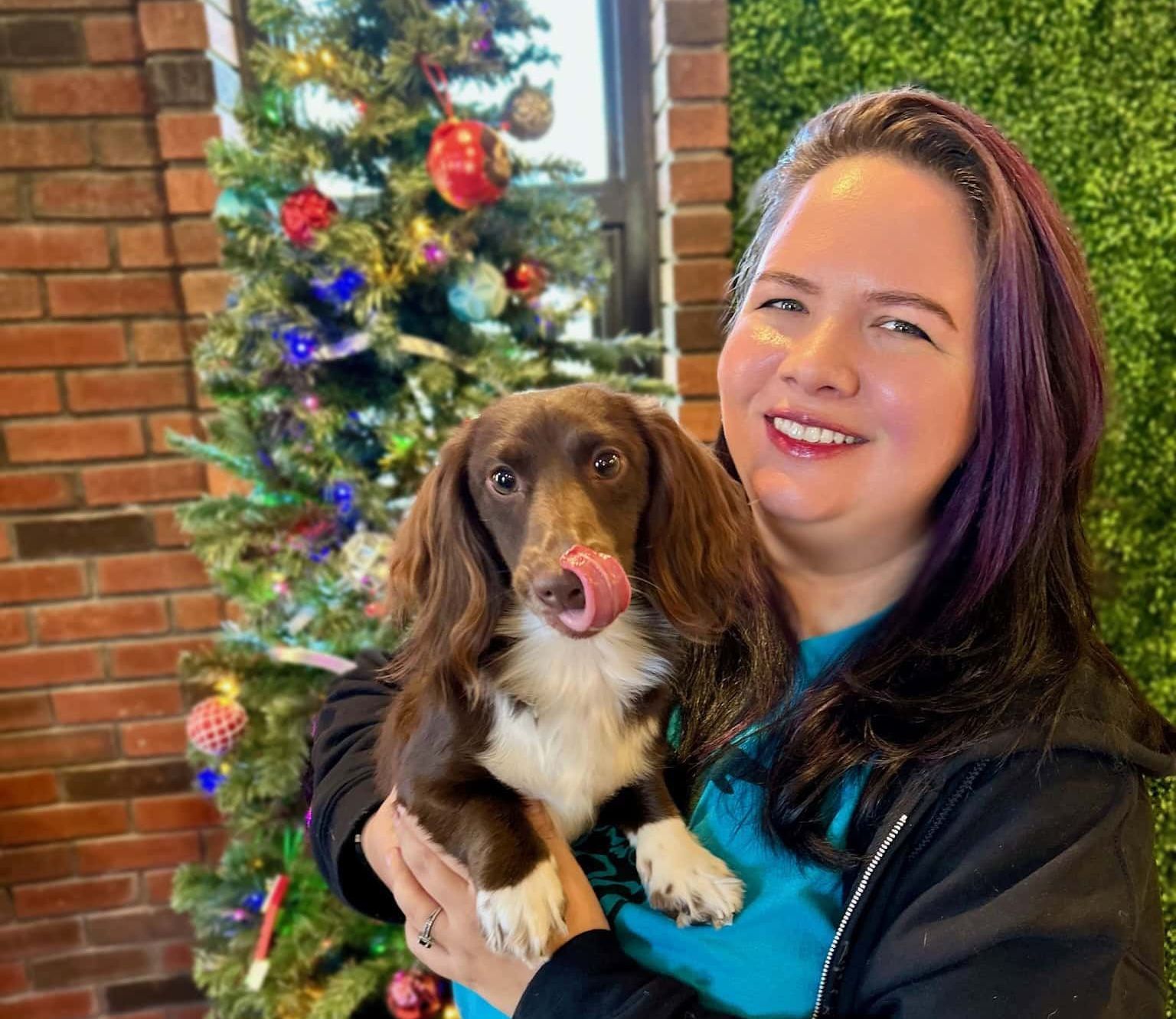
My dog Lana is a 9-year-old Mini Dachshund who weighs just 9 pounds. Despite her small size, I've always tried to raise and train her the same way I would a much larger dog. Behaviors that I would find unacceptable in a 90 pound dog are also behaviors I discourage in Lana.
If I wouldn't allow a large dog to bark excessively at guests, ignore commands, guard resources, or pull on leash, I also wouldn't allow those behaviors simply because Lana is small.
The truth is that dogs don't know how much they weigh. They don't understand that society views certain behaviors differently depending on their size.
Why Small Dogs Often Get a Pass
Many small dog owners unintentionally excuse behaviors because they seem less intimidating coming from a tiny dog.
- A jumping Labrador can knock someone over. A barking Dachshund is often viewed as "cute."
- A German Shepherd growling at a visitor raises concerns. A Chihuahua doing the same thing often gets laughed off.
Over time, these small allowances can create bigger behavior issues. Dogs learn what "works", and if barking, growling, or demanding attention consistently gets a response, those behaviors are likely to continue.
Small Dogs Still Have Big Dog Needs
One of the biggest misconceptions about small dogs is that they require less exercise, enrichment, and training.
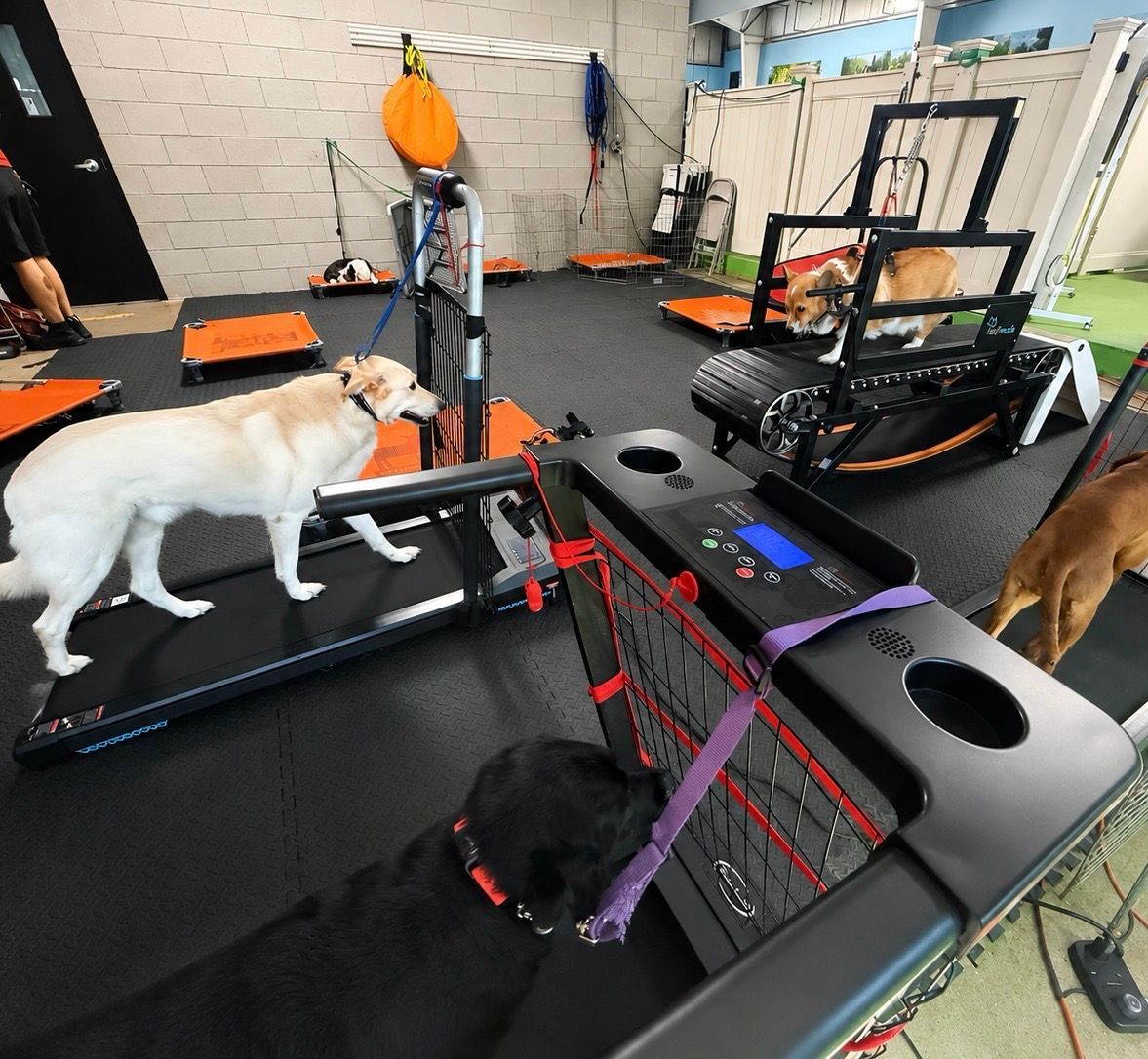
While Lana may only weigh 9 pounds, she still needs opportunities to move her body, use her brain, and engage with the world around her.
- We regularly go on hikes together.
- We play games.
- We continue training even though she's no longer a puppy.
These activities aren't just about keeping her busy, they help fulfill her natural needs and contribute to her overall confidence and stability. A tired dog isn't necessarily a trained dog, but a dog whose physical and mental needs are being met is often much better equipped to make good decisions.
The World Can Be Scary for Small Dogs
Another important piece of the conversation is understanding life from a small dog's perspective. Imagine being surrounded by creatures ten times your size every day.
Many human interactions that seem harmless to us can actually feel overwhelming to a small dog. People often bend directly over them, reach for their heads, pick them up without warning, or invade their personal space because they're "cute". While these actions are usually well intentioned, they can be intimidating.
Sometimes what people label as "Little Dog Syndrome" is actually a dog communicating discomfort, uncertainty, or fear.
Helping small dogs feel safe doesn't mean sheltering them from the world. Instead, it means advocating for them, respecting their boundaries, and teaching them how to navigate situations confidently.
Join Us For Conversation
In our upcoming podcast episode, we'll discuss the realities behind Little Dog Syndrome, common mistakes owners make with small dogs, and practical ways to help them become calmer, more confident companions.
Whether you share your home with a tiny Dachshund, a feisty Terrier, or a giant breed, the principles remain the same; meet your dog's needs, provide clear expectations, and hold them accountable in a fair and consistent way, because good behavior shouldn't depend on a dog's size.
Tune in Wednesday, June 24th, for the full conversation on The Common Dog Podcast.
And if you need help with your small dog and their large personality, let us know! Email us at training@commondog.com to set up a discovery lesson to get you and your dog on the right path.