Ninety Days of Suga: Building Confidence Through Training, Patience, and Structure
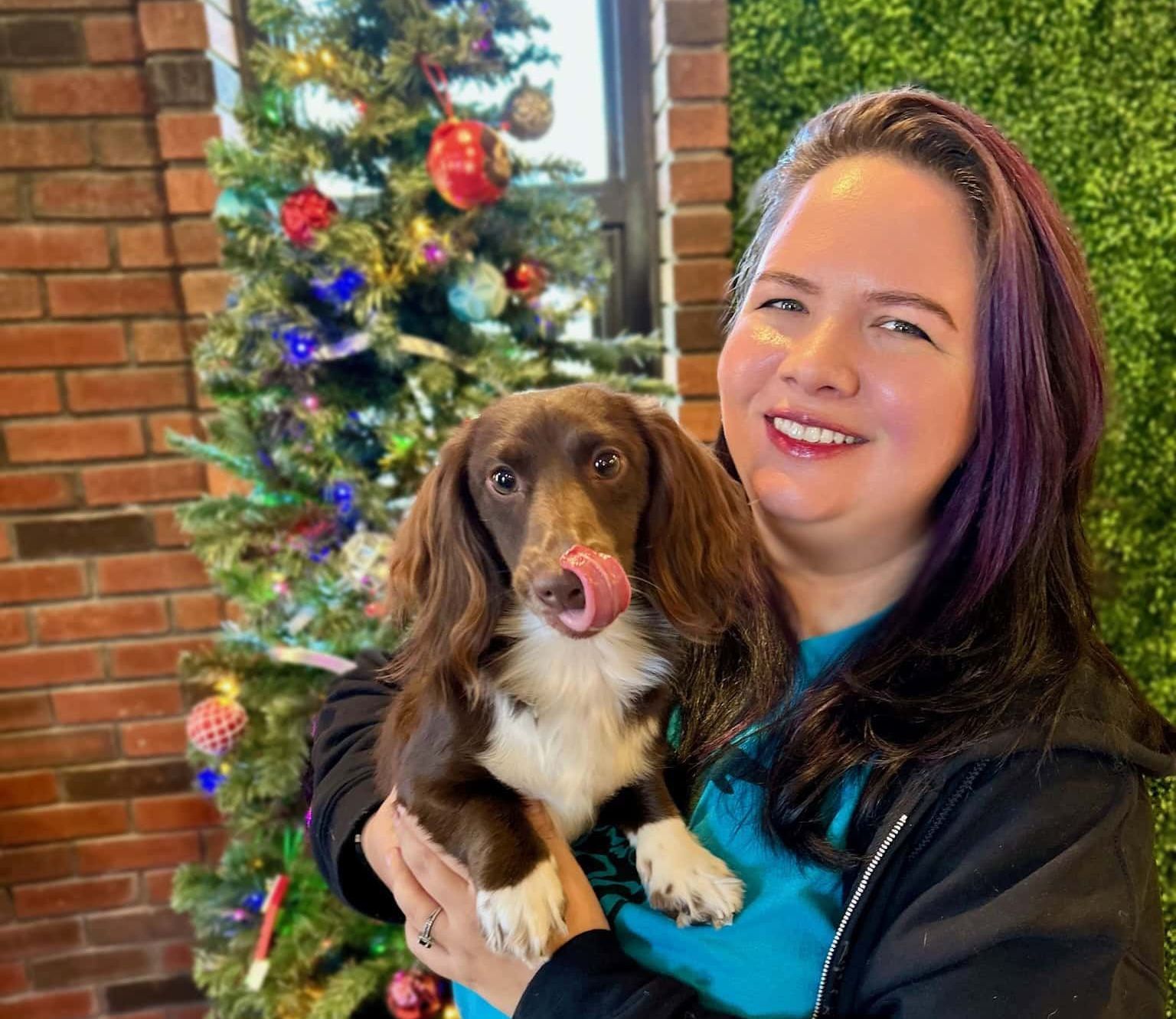
In August, I decided to welcome a sweet, 1 1/2-year-old Miniature Dachshund into my family. His name is Suga, and today marks ninety days since he came home!
Bringing home a new dog is always an adjustment, but Suga came with a little extra baggage. Having been returned to his breeder after his previous owners were unable to keep him, he had experienced quite a few changes in a relatively short period of time. Between adjusting to a new home, learning to trust new people, and navigating an entirely different environment, we had plenty of work ahead of us.
I wanted to share the first ninety days of Suga's journey because his progress is a great reminder that dog training isn't just about teaching commands. Often times, the most important part of training is building confidence, creating structure, and giving a dog the time and space they need to feel comfortable in their environment.
The First Few Days: Building Trust and Establishing Structure
The first day was a tough one. Rather than jumping straight into introducing him to everyone and everything, I focused on bonding and allowing him to decompress.
I brought Suga right to Common Dog and let him hang out with me in the office while I worked. When I couldn't actively supervise him, he spent time resting in his crate. It didn't take long to recognize that we were going to have some separation anxiety and isolation distress challenges to work through. He also displayed quite a bit of fear around unfamiliar people.
The first week was intentionally low-pressure. We focused on establishing a routine, creating predictable environments, and allowing him to settle in without overwhelming him with too many new experiences.
One of the biggest mistakes people can make when bringing home a new dog is feeling like they need to introduce them to everything immediately. New people, new dogs, new places, and new experiences can be a lot for a dog who is already navigating a major life change.
The best thing you can do for your new family member is slow down.
Introducing Children: Why Management and Boundaries Matter
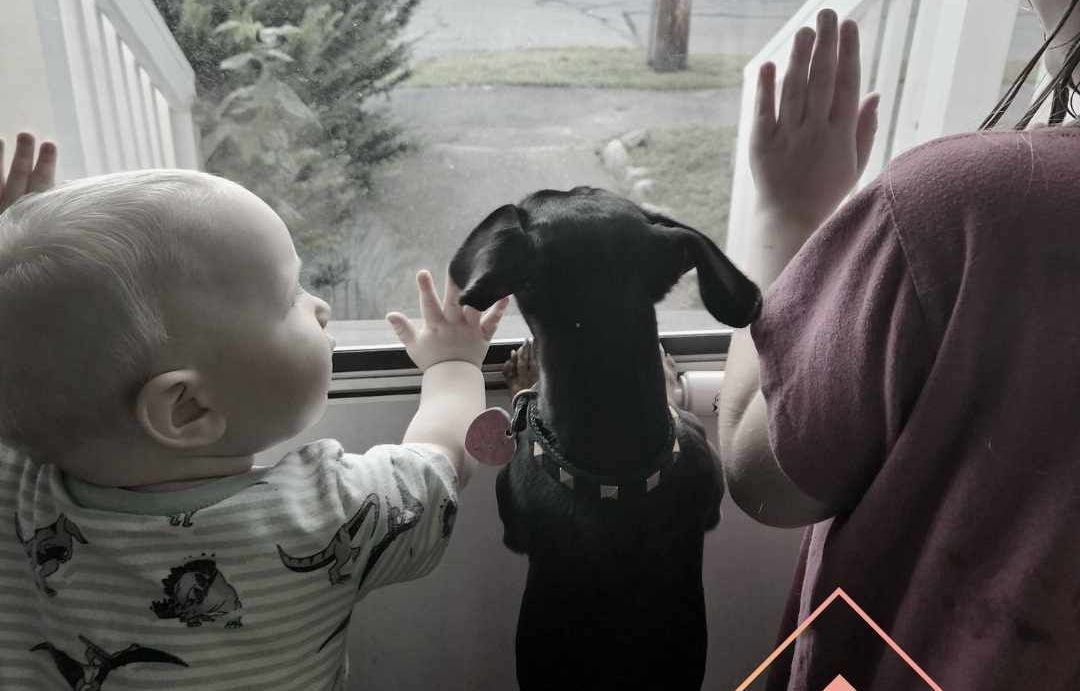
One of our biggest challenges was introducing Suga to my two children; I have a 12-year-old daughter and a 4-year-old son. As far as I knew, he hadn't previously shared a home with children, and this was going to require some thoughtful management.
During the first couple of weeks, his crate became the most important part of our routine. The crate provided him with a safe place to decompress while allowing the kids to comfortably move around the house. We started with short, low-pressure interactions with the children while Suga was on leash.
There was no expectation that he needed to immediately interact, play, or become comfortable with everyone. We simply worked on peaceful coexistence.
Around week two, we gradually increased his freedom around the house while continuing to supervise and manage interactions. The kids were also taught how to appropriately interact with him, respect his space, and recognize when he needed a break.
What turned out to be our biggest challenge was my four-year-old son. When he ran around the house, it was absolutely terrifying to Suga. And realistically, there is only so much running around you can prevent a four-year-old from doing!
Instead of forcing Suga to tolerate something that made him uncomfortable, we continued reinforcing the idea that he had somewhere safe to go when he needed space = the crate.
The last few weeks, something really special has happened: Suga voluntarily chooses his crate when he feels overwhelmed. He has also become significantly more comfortable around my son.
This is one of my favorite examples of how management and training work together. We didn't force confidence, we created an environment where he could begin developing it on his own.
Introducing Another Dog: Taking Socialization at His Pace
Next came the introduction to Lana.
Just because two dogs live in the same household doesn't mean they need to become best friends overnight. Their introduction was slow and intentional, and it took a solid two weeks before they were actually engaging in play together at home. The first interactions they had were on leash walking in the same direction. From there I began crating them near eachother and started a crate and rotate schedule where one dog would be out of their crate and the other would be in their crate and then I would swap them. The combination of leash walks together and structured coexistence helped them adjust comfortably. Once I became comfortable enough I would allow them to interact in the home with Suga on leash.
We allowed them time to become comfortable sharing space, respected their individual boundaries, and avoided putting unnecessary pressure on the relationship.
Once they finally started playing together, I noticed a huge difference in Suga's confidence at home. Having another dog around seemed to help him come out of his shell, and he began becoming more comfortable exploring his environment.
It's important to remember that successful dog socialization doesn't mean every dog needs to play with every other dog. Successful socialization equates to learning how to comfortably exist around other dogs and developing appropriate social skills.
Working Through Fear and Reactivity: The Training Phase
After about three weeks to a month, I felt that Suga had a much better understanding of his new home and family, I started focusing more intentionally on his fear and mild reactivity toward unfamiliar people. This is where the more structured training began to come into play.
Our work has included leash skills, obedience, engagement, and carefully managed exposure to unfamiliar people. The goal isn't simply to get him to approach strangers. It's to help him feel more comfortable in their presence while building the confidence to navigate situations that previously made him uncomfortable.
Thankfully, I have an entire team of people at Common Dog to help me with this (thanks, guys!).
We also have the benefit of our lobby, which provides opportunities to work around different people in a controlled environment. Some of you may have already seen Suga hanging out in the lobby or even had the opportunity to give him a treat!
These experiences are intentional. We're working on creating positive associations, reinforcing calm behavior, and allowing him to approach situations at a pace he can handle.
I'm not looking for Suga to become the dog who runs up to every stranger he meets. I'm looking for a dog who can comfortably exist around unfamiliar people without feeling the need to retreat or react.
That's a very different goal, and an important distinction when working with fearful or environmentally sensitive dogs.
Ninety Days Later: Progress Isn't Always Linear
We're currently still working through this stage of Suga's training, but the difference between the dog I brought home ninety days ago and the dog I have today is incredible.
He's more comfortable in his home, more confident around my children, developing a relationship with Lana, and much more willing to approach unfamiliar people than he was when we first started.
We still have plenty of work to do, and I don't expect everything to change overnight or even change completely. Confidence-building and behavior modification take time, consistency, and an understanding of what a dog is communicating.
If there is one thing Suga has reminded me over these past ninety days, it's that training isn't always about how quickly a dog learns something. It's about understanding where that dog is starting, recognizing what they need, and creating opportunities for them to succeed.
Whether you're bringing home a newly adopted dog, working through fear and reactivity, or helping a dog adjust to a new family, structure and patience can make an enormous difference.
And sometimes, the biggest training wins aren't a perfect heel or an impressive obedience command. Sometimes, they're as simple as a dog choosing to walk into a room with confidence or voluntarily settling into their crate when they need a break.
Here's to Suga's first ninety days, and many more milestones ahead!
If you are adding a new furry family member and need help navigating your dogs first ninety days please email us at training@commondog.com